
Family-owned · Atlanta Local
LVP Flooring Installation in Atlanta
Waterproof, scratch-resistant floors installed right the first time, any day of the week.
Free estimate
Tell us what you need
Three fields. It reaches a person here, not a call centre.
LVP Flooring for Georgia Homes
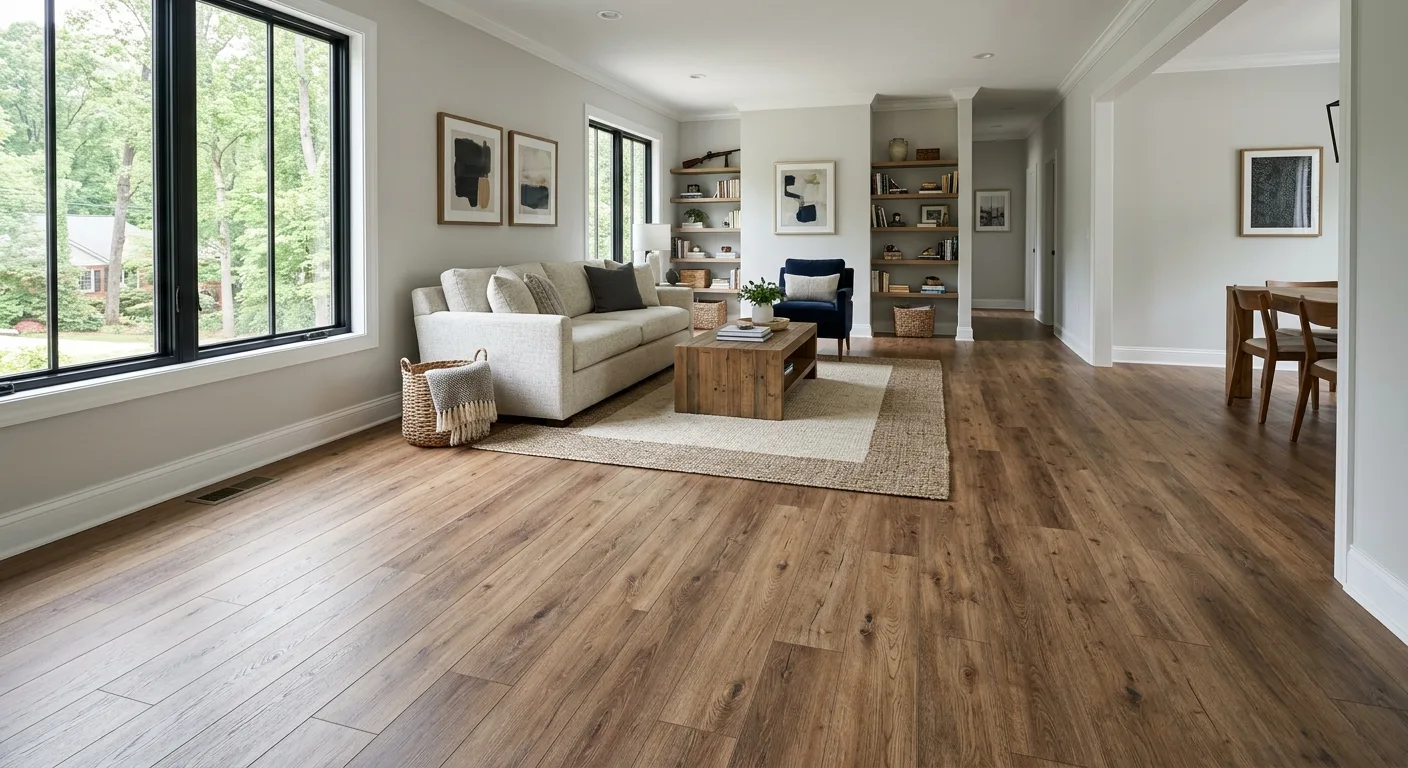
Abner Flooring and Remodeling installs LVP flooring throughout the Greater Atlanta metro, and it's one of the most requested upgrades we do. LVP, or luxury vinyl plank, gives you the look of real hardwood without the vulnerability to moisture, pets, or heavy foot traffic. If you're weighing your options and want a straight answer from someone who's laid hundreds of these floors, call (404) 706-8999 and we'll walk you through it.
A good LVP install starts well before the first plank goes down. We check the subfloor for level, fix any soft spots or high points, and make sure the surface is clean and stable. Skip that step and you'll hear clicks and feel dips within a year. The material choice matters too. Wear layer thickness ranges from 6 mil on the budget end to 20 mil or higher for households with dogs, kids, or heavy use areas. Thicker wear layer, longer floor life. Simple. Every job is different, contact Abner Flooring and Remodeling for an accurate estimate.
Why LVP
What Makes LVP Worth the Investment
Not every floor works in every room. LVP does.
100% Waterproof Core
Unlike hardwood or laminate, LVP won't swell, warp, or buckle when water hits it. That makes it the right call for kitchens, bathrooms, basements, and laundry rooms where real wood simply can't go.
Scratch and Dent Resistance
A thick wear layer protects the surface from claws, dropped tools, and sliding furniture. We'll tell you honestly which wear layer thickness your household actually needs based on how you live.
Realistic Wood Visuals
The embossed texture and printed grain on today's LVP is convincing from across the room. Visitors won't know it's not hardwood unless you tell them.
Easier on the Subfloor
LVP floats over minor subfloor imperfections that would need full remediation before hardwood flooring could go down. That can mean less prep cost and faster installation.
Works With Radiant Heat
Most quality LVP is compatible with in-floor heating systems. We verify specs before install so there are no surprises after the heat season starts.
Rental and Investment-Friendly
Investors running properties across the metro use LVP because it holds up between tenants and costs less to replace than hardwood if a unit gets roughed up. It's a practical, durable choice.
Our Process
How We Handle an LVP Install
- 01
Subfloor Assessment and Prep
We inspect the subfloor for levelness, moisture, and structural issues before a single plank comes out of the box. Any soft spots, squeaks, or high points get fixed first. This is the step most homeowners never see and the one that determines whether your floor lasts five years or fifteen.
- 02
Material Acclimation and Layout Planning
LVP needs to acclimate to room temperature before installation. We plan the layout to minimize awkward cuts at doorways and transitions, and we stagger joints properly so the floor looks right from every angle.
- 03
Installation and Finishing
We click or glue down the planks depending on the product spec and subfloor type, then install trim and baseboards and transitions to finish the edges cleanly. The last thing we do before we leave is walk the floor with you.
Where It Works
Best Rooms for LVP Flooring
- 01
Kitchens
Spills, dropped dishes, and constant foot traffic are no match for a properly installed LVP floor. It's one of the smartest swaps you can make in a kitchen renovation.
- 02
Basements
Concrete subfloors and occasional moisture make basements a problem for hardwood. LVP is designed for exactly this environment, and we've installed it in finished basements across the metro.
- 03
High-Traffic Living Areas
Open-plan living rooms, hallways, and entryways take a beating. A 12-mil or 20-mil wear layer in these areas holds up for years without refinishing.
- 04
Rental Units and Investment Properties
Property owners in Sandy Springs, Tucker, and Dunwoody choose LVP because it survives tenant turnover better than anything else at this price point.
LVP vs. the Alternatives: a Straight Answer
- Waterproof core: safe in kitchens, bathrooms, and basements
- No refinishing needed over its lifespan
- Compatible with most subfloor types
- Available in wide plank formats that rival solid hardwood visually
- Easier install timeline than hardwood or large-format tile
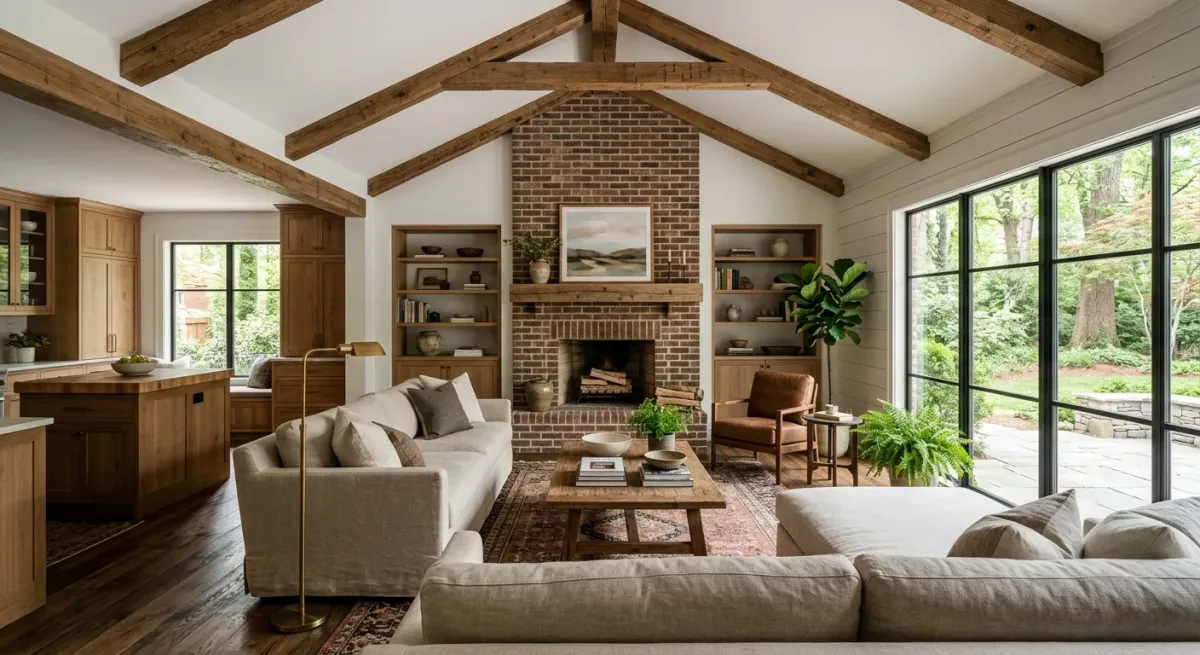
We Handle More Than the Floor
- 01
Flooring First
LVP installed on a properly prepped subfloor, with transitions and thresholds set correctly at every doorway and room change.
- 02
Trim and Baseboards
New baseboard and shoe molding to close the gap at the wall and finish the room. We don't leave that as your problem.
- 03
Paint and Drywall If You Need It
If the room needs fresh paint or drywall repair as part of the renovation, we handle that too through our interior renovation work. Same crew, same timeline.
LVP Flooring Questions
How thick should LVP be for a home with dogs?
Can LVP be installed directly over existing tile or hardwood?
How long does an LVP installation typically take?
Does LVP work over radiant floor heating?
What causes LVP to buckle or gap after installation?
Is glue-down or floating LVP better for my situation?
Ready to Replace That Floor?
Call or text (404) 706-8999 and we'll set up a free estimate, any day of the week.