
Family-owned · Atlanta Local
Tile Flooring in Kennesaw GA
Ceramic and porcelain tile installed right the first time, available any day of the week.
Free estimate
Tell us what you need
Three fields. It reaches a person here, not a call centre.
Tile Flooring Kennesaw and the Greater Metro
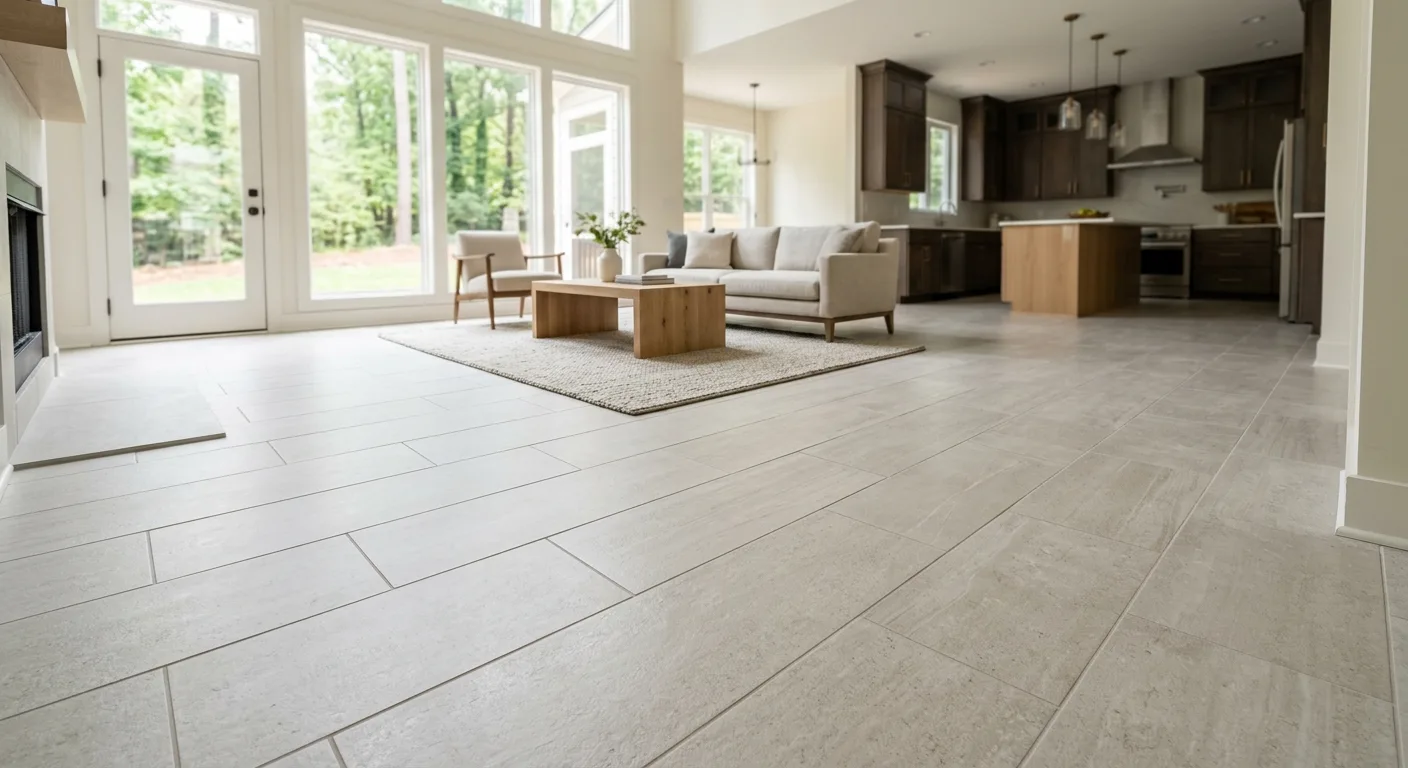
Abner Flooring and Remodeling installs ceramic and porcelain tile in kitchens, bathrooms, laundry rooms, entryways, and anywhere else you need a surface that holds up. We serve Kennesaw and the broader metro seven days a week, so you're not waiting until Monday to get a crew out. If you've been putting off a tile project because you couldn't pin down a reliable installer, call (404) 706-8999 and we'll get eyes on the job and a quote to you fast.
Tile installation is one of those jobs where the prep work determines everything. A floor that looks uneven, cracks at the grout joints two years later, or has tiles that rock underfoot is almost always a substrate problem, not a tile problem. We assess the subfloor before we ever open a box, make sure the surface is level and structurally sound, then set tile with proper thinset, consistent spacing, and grout that's sealed to last. Material choice, room size, tile format, and layout pattern all affect what a job costs. A small bathroom with 12x12 ceramic runs differently than a large-format porcelain install on a heated slab. Every job is different -- contact Abner Flooring and Remodeling for an accurate estimate.
What We Install and Where
Tile works in more rooms than most homeowners realize.
Kitchen Tile
Kitchen floors take constant abuse -- dropped pans, spilled liquids, foot traffic all day. Ceramic and porcelain are genuinely the right call here. We set tile level to the existing subfloor, cut cleanly around cabinets and island bases, and grout with a product rated for high-traffic surfaces.
Bathroom Tile
Bathrooms are where amateur tile work fails fastest. Moisture gets into bad grout joints, the substrate shifts, and you end up with cracked or loose tile within a couple of years. We waterproof the substrate where it matters, use the right thinset for wet areas, and seal the grout when we're done.
Entryway and Foyer Tile
An entryway is the first floor surface guests see and the hardest-used square footage in the house. Large-format tile makes the space feel open and is easy to clean. We can match existing tile lines in adjacent rooms or help you choose a transition that flows naturally.
Laundry Room and Utility Floors
Laundry rooms need flooring that doesn't panic when a hose fitting fails. Tile is the practical choice. We install it quickly -- these rooms are small -- and pair it with baseboard work and paint if you're doing the full room.
Our Process
How a Tile Install Actually Goes
- 01
Subfloor Assessment
We check for soft spots, flex, moisture, and level before anything else. A tile installation is only as good as what's underneath it. If the subfloor needs patching or leveling compound, we do it ourselves -- we don't hand that off.
- 02
Layout and Setting
We dry-lay the tile to confirm the pattern, mark reference lines, mix thinset to the right consistency for the tile format, and set each piece with even coverage and consistent joint spacing. Large-format tiles need back-buttering; we don't skip that step.
- 03
Grout, Seal, and Cleanup
After the thinset cures, we grout the joints, clean the tile face, and seal the grout. We leave the space clean. If the project includes baseboard installation or painting, we sequence the work so tile goes in first and the finish work follows -- one crew, no scheduling gaps.
Full-Service
Tile Is Rarely the Whole Job
Tile Types and What Each One Is Good For
- 01
Ceramic Tile
The most common and most affordable option. Good hardness, easy to cut, and available in every format from 4x4 to 24x24. Best for indoor, low-to-moderate moisture areas. If budget is the driver, ceramic usually wins.
- 02
Porcelain Tile
Denser and less porous than ceramic. Handles moisture better, resists staining, and holds up to freeze-thaw cycles if used near exterior transitions. Costs more but lasts longer in wet rooms. Harder to cut, which is why installer experience matters.
- 03
Large-Format Tile
Formats like 24x48 and 32x32 are popular right now for good reason -- fewer grout joints means a cleaner look and easier maintenance. The tradeoff is the subfloor has to be very flat. We assess that before we quote, not after we've ordered the tile.
- 04
Mosaic and Accent Tile
Mesh-backed mosaic tile is a common choice for shower floors, backsplashes, and decorative insets. The install is slower because of the piece count, but the result is worth it. We handle mosaic work as part of a larger tile project, not as a standalone job.
Why the Subfloor Matters More Than the Tile
- 01
Flex Causes Cracks
Tile is rigid. Subfloors that flex under foot traffic will crack grout joints and eventually crack tile. A good installer fixes the flex before setting a single piece.
- 02
Moisture Causes Failure
In bathrooms especially, moisture that gets behind poorly set tile destroys the substrate. Waterproof membranes and proper thinset choices prevent a repair job three years from now.
- 03
Level Determines the Look
Tile that's not level is immediately visible -- especially with large-format pieces. Self-leveling compound costs almost nothing compared to resetting a floor that's done wrong. We don't skip it to save time.
Frequently Asked Questions About Tile Flooring
How long does a tile floor installation take from start to finish?
Can tile be installed over existing tile?
What grout type should I use in a bathroom or kitchen?
How do I know if my subfloor can handle tile without repairs?
Do you handle the trim and baseboards after the tile is set?
Is porcelain worth the extra cost over ceramic for a kitchen floor?
Metro Areas We Serve
We install tile flooring throughout the Greater Atlanta metro, seven days a week. No weekend surcharges, no Monday callback.
- Kennesaw
- Marietta
- Smyrna
- Alpharetta
- Sandy Springs
- Roswell
- Johns Creek
- Duluth
- Norcross
- Tucker
- Dunwoody
- Brookhaven
- Chamblee
- Doraville
- Decatur
- Stone Mountain
- Lithonia
- Conyers
- Stockbridge
- Peachtree City
- College Park
- East Point
Ready to Replace That Floor?
Tile installs done right start with a straight answer on cost. Call or text Chucky and the Abner crew for a free estimate -- any day of the week.