
Family-owned · Atlanta Local
Laminate Floor Installation
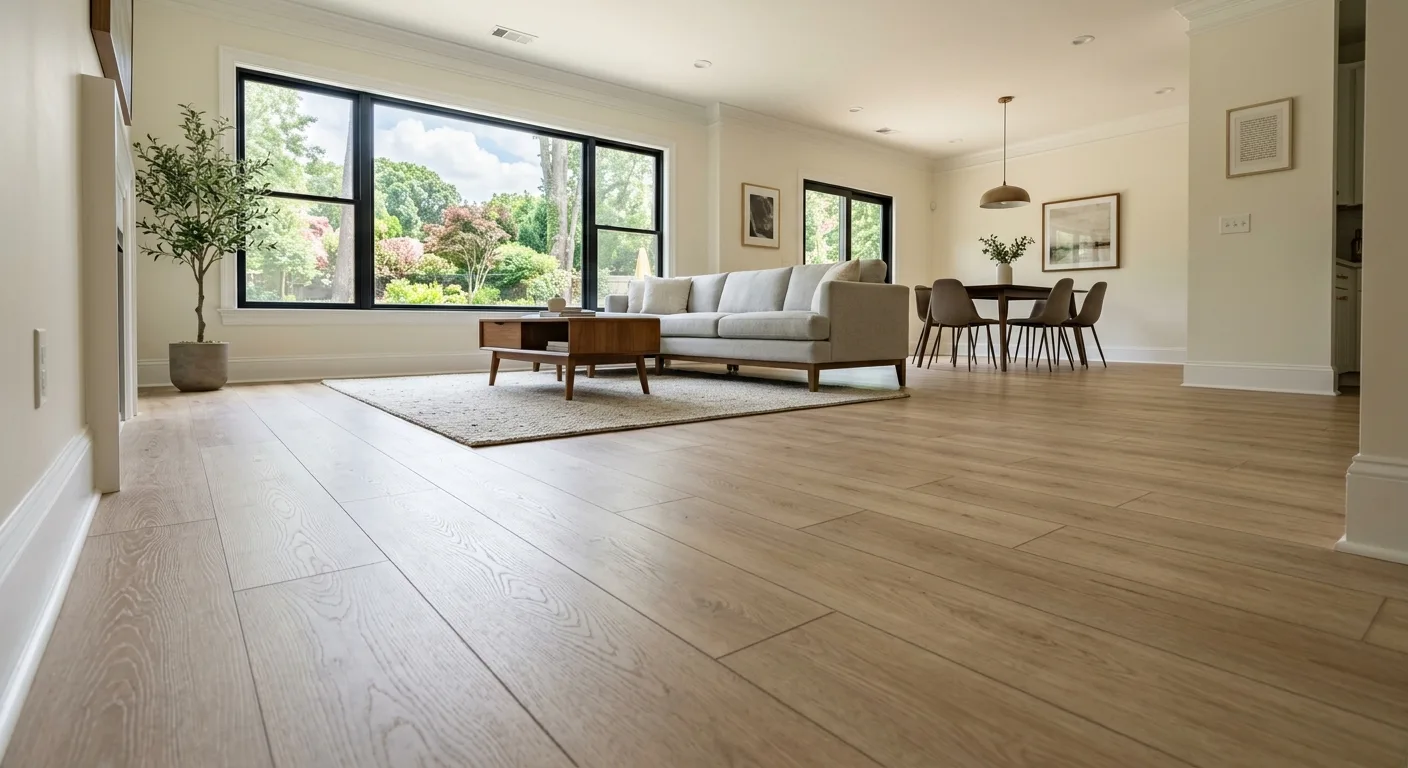
Flat subfloor, tight seams, and proper expansion gaps on every install we do.
Free estimate
Tell us what you need
Three fields. It reaches a person here, not a call centre.
Laminate Floor Installation, Start to Finish
Abner Flooring and Remodeling handles laminate floor installation across the Greater Atlanta metro, from single rooms to whole-house projects. If you're searching for floor installation that holds up and looks right for years, the difference is almost always in the prep work, not the planks. We start with a thorough subfloor inspection before a single board goes down. Call or text (404) 706-8999 to schedule your free estimate.
Laminate is a layered product, and how it's installed determines how long it performs. We inspect the subfloor for high spots, soft areas, and moisture before anything else. Planks need to acclimate to the room's temperature and humidity before installation, a step some crews skip and one we never do. We cut around door casings rather than jamming boards underneath, and we set proper expansion gaps at every wall and transition. What drives cost on a laminate job is primarily room size, subfloor condition, the number of transitions and stairs involved, and whether old flooring needs to come out first. If the subfloor needs leveling compound or the old material is glued down, that adds time. Every job is different, so contact Abner Flooring and Remodeling for an accurate estimate.
What Good Laminate Installation Actually Requires
Subfloor Inspection First
We check for moisture, soft spots, and high points before any underlayment goes down. A subfloor that's out of level by more than 3/16 inch over 10 feet causes planks to click apart at the joints. We fix that before we install, not after.
Proper Acclimation
Planks need 48 to 72 hours in the room where they'll be installed. Skip this and the floor expands or contracts after the job is done, which causes gaps or buckling. We don't skip it.
Underlayment for Sound and Moisture
The underlayment layer controls sound transmission and provides a moisture barrier between the subfloor and the laminate. We select underlayment based on what's underneath, whether that's a wood subfloor, concrete slab, or existing tile.
Expansion Gaps at Every Wall
Laminate floats, meaning it expands and contracts with temperature. Without proper gaps at walls, transitions, and doorways, a floor will buckle in summer. We set those gaps on every run, not just the perimeter walls.
Clean Transitions and Baseboard Finish
We handle the full finish: baseboard installation, transition moldings at doorways, and T-moldings where laminate meets another flooring type. The floor isn't done until the edges are covered and the room is clean.
Old Flooring Removal
We pull up existing carpet, vinyl, or damaged laminate before the new install. Floating a new floor over an unstable or uneven existing layer shortens the lifespan of the new material significantly.
Our Process
How We Handle the Install
Three stages, no surprises.
- 01
Inspect and Prep
We assess the subfloor, pull up old material if needed, and address any leveling or moisture issues before installation begins. This stage is where most corners get cut by crews who are in a hurry.
- 02
Install and Fit
Planks acclimate, then we lay the floor row by row with tight seams and correct expansion spacing. We cut door casings by hand for a flush fit rather than forcing boards underneath and hoping the gap disappears.
- 03
Finish and Clean Up
Baseboards, transitions, and moldings go in last. We sweep, vacuum, and leave the space ready for furniture. You won't find adhesive residue or sawdust in the corners when we're done.
Laminate or Hardwood: Picking the Right Floor
The answer depends on the room, the subfloor, and what's already there.
Full-Service Work
Flooring Plus Everything Around It
- 01
Baseboard and Trim
New laminate with old, scuffed baseboards looks off. We install new baseboard and transition moldings as part of the project so the finish is consistent throughout the room.
- 02
Drywall and Paint
If you're doing a full room renovation, we handle interior painting and drywall work too. One crew, one call, no coordinating between three different contractors.
- 03
Adjacent Flooring Types
We tie laminate into existing tile flooring, hardwood, or epoxy-coated concrete with proper transition strips. The handoff between floor types matters more than most homeowners realize until they see it done wrong.
Areas We Serve
We install laminate floors throughout the Greater Atlanta metro, available seven days a week. If you're in one of these areas, we can be there.
Get a Free Laminate Flooring Estimate
Call or text us any day of the week.